




Contact Changfu Chemical Now!
+86 27 8439 6550 | +86 181 6277 0058
Silane Terminator for Rubber: Stabilize Raw Rubber Quality and Upgrade Synthetic Rubber Performance Changfu Chemical
In the fields of green tires, high-performance rubber products and synthetic rubber production, intermolecular coupling side reactions readily occur during the polymerization of SSBR (solution-polymerized styrene-butadiene rubber), BR (cis-1,4-polybutadiene rubber) and IR (isoprene rubber). This leads to increased gel content in raw rubber, broader molecular weight distribution and significant batch-to-batch variation in Mooney viscosity, making it difficult to stably control the performance of finished rubber products.
To address this industrial production challenge, Changfu Chemical has developed a sterically hindered tertiary amine silane terminator precisely tailored for synthetic rubber polymerization processes. By performing terminal modification on active polymer chains during polymerization, the product effectively suppresses intermolecular coupling side reactions, reduces gel content, narrows molecular weight distribution and improves batch consistency of Mooney viscosity. It delivers an innovative modification solution for silica-filled rubber systems with balanced raw material stability, processing safety and mechanical properties.
1. Reaction Mechanism
Termination Stage:
Carbon anion-containing active rubber chains undergo nucleophilic substitution with the tertiary amine silane, covalently grafting sterically hindered tertiary amine alkoxysilane structures onto rubber chain ends.
Compounding Stage:
After hydrolysis and activation of alkoxy groups on chain ends, Si-O-Si covalent bonds form with silica on one hand; on the other hand, hydrogen bonding takes place between tertiary amine groups and silica hydroxyl groups. A dual-anchoring interface is constructed to improve filler dispersion and reduce Mooney effect and rolling resistance.
2. Product Features
Precise Termination Capability for Active Polymer Chains
l High termination efficiency: Rapid chain-end modification at the polymerization termination stage.
l Well-defined terminated structure: Tertiary amine and alkoxy functional groups are introduced at rubber chain ends, reserving anchoring sites for interfacial interactions in subsequent compounding.
l Polymerization process compatibility: Suitable for anionic polymerization systems initiated by alkyllithium.
Effective Suppression of Intermolecular Coupling Side Reactions
l Reduced probability of direct coupling between active chain ends
l Inhibition of gel formation
l Narrowed molecular weight distribution
l Improved batch consistency of Mooney viscosity
Dual-Anchoring Interface Function from Alkoxysilane Structure
l Enhanced silica dispersion: Mitigate filler agglomeration and improve dispersion uniformity.
l Lower Mooney effect: Better processing flowability.
l Reduced rolling resistance: Strengthen interfacial coupling and cut hysteresis loss.
l Improved mechanical properties: Boost tensile strength, tear strength and abrasion resistance.
Balanced Raw Material Stability, Processing Safety and Mechanical Performance
l Good raw material stability: Termination reaction completes at polymerization termination stage, mitigating uneven distribution in subsequent compounding.
l High processing safety: Restrain abnormal coupling to lower risks of gel formation and scorch.
l Consistent performance: Narrow molecular weight distribution and stable Mooney viscosity guarantee good batch stability.
l Combined mechanical and dynamic performance: Optimize filler dispersion and interfacial coupling simultaneously to balance strength and low rolling resistance.
3. Product Applications
Synthesis of SSBR, BR and IR
l Application Scenarios: Green tire tread compounds, low rolling resistance tread compounds, high-performance rubber articles, silica-filled SSBR / BR / IR systems.
l Application Benefits: Regulate raw rubber gel content, narrow molecular weight distribution and stabilize batch fluctuation of Mooney viscosity. Improve silica dispersion in rubber matrix, reduce rolling resistance of compounds, and optimize the balance between wet skid resistance and abrasion resistance.
Silica-Filled Rubber Systems
l Application Scenarios: Terminated SSBR, BR and IR show prominent advantages in silica-filled rubber systems.
l Application Benefits: Reduce silica particle agglomeration and improve filler uniformity within rubber matrix to lower Mooney effect and enhance processability. Meanwhile, it reinforces interfacial coupling between rubber and filler, decreases dynamic hysteresis loss and rolling resistance. The robust interfacial bonding further raises tensile strength, tear strength and abrasion resistance of rubber compounds.
Polymer Preparation & Surface Treatment
l Application Scenarios: Polymer production for coatings, sealants and adhesives
l Application Benefits: Improve adhesion and compatibility between organic polymers and inorganic substrates, as well as corrosion resistance.
4. Product Series Overview
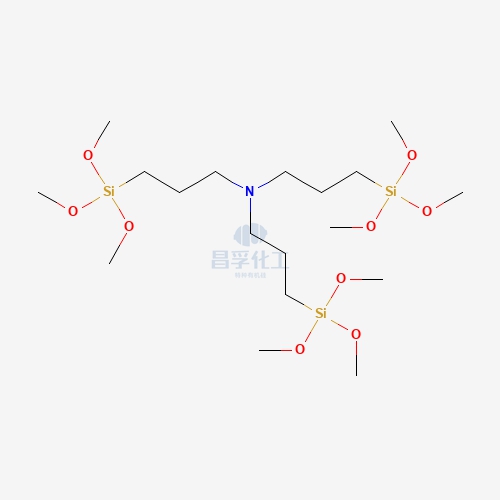
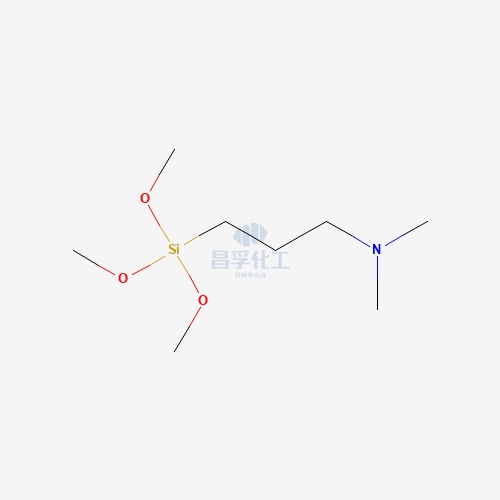
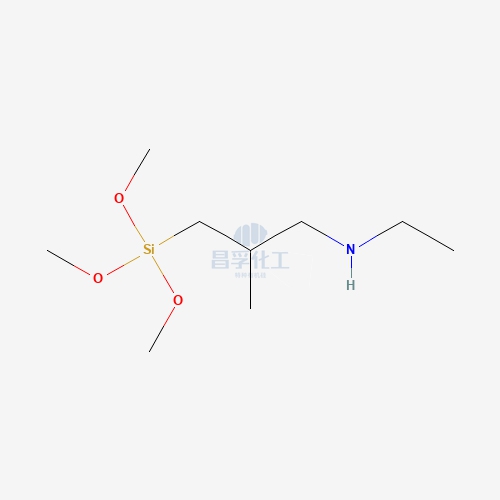
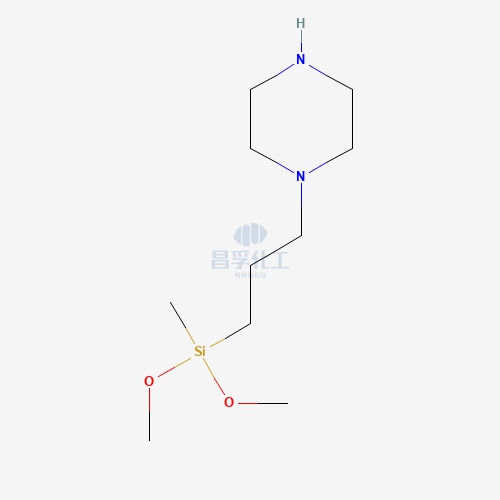
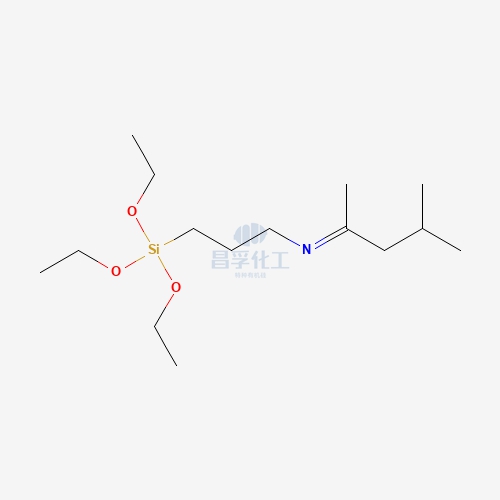
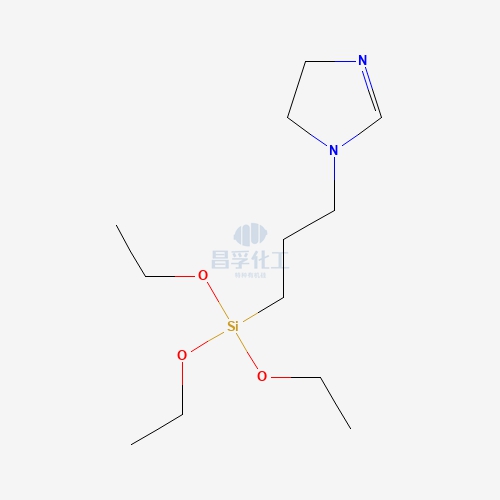
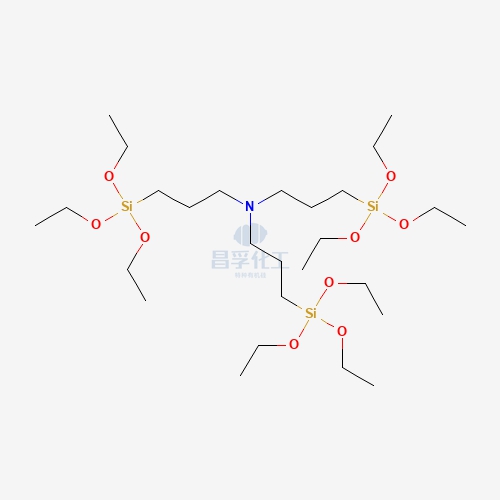
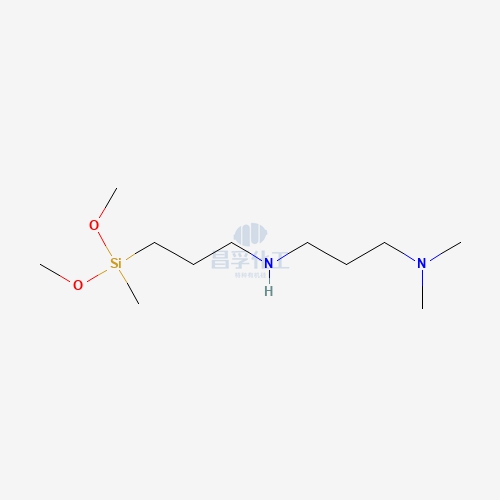
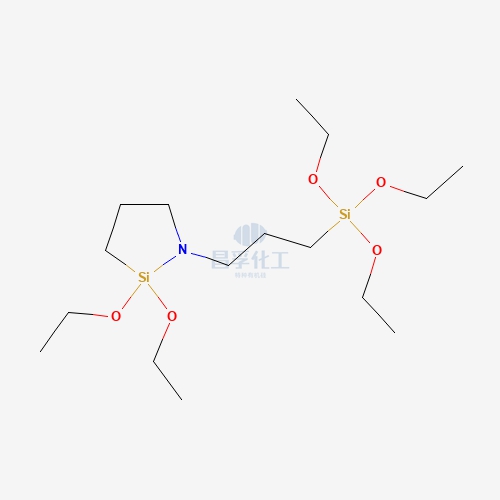
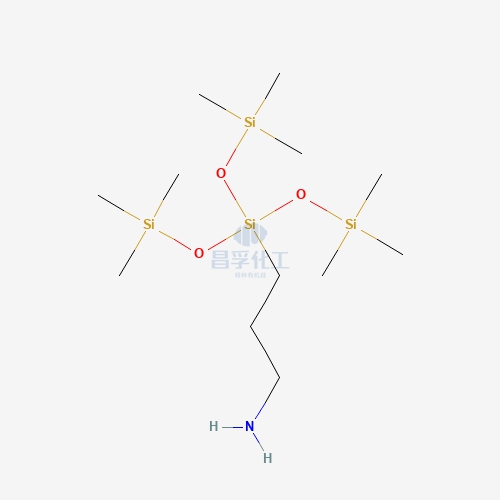
Changfu sterically hindered tertiary amine silane terminators include Changfu® DEN32, BN32B, TRN32 with varying functionalities, specially developed for polymerized rubber. Products can be selected according to different polymerization formulas and target performance requirements to meet differentiated demands for raw rubber termination and tire compound interfacial modification.
(Note: Actual application shall be determined based on on-site conditions. Feel free to contact our technical team for technical support.)
For more product documentation and application information:
Tel: (+86) 181-6277-0058
Email: sales@cfsilanes.com
Key words: Sterically hindered tertiary amine silane terminator; SSBR (Solution-polymerized styrene-butadiene rubber), BR (Cis-1,4-polybutadiene rubber) and IR (Isoprene rubber) ; Synthetic rubber polymerization processes.
Popular Silicon Compounds
Popular Silicon Compounds

Related News & Blog
Related News & Blog

+86 27 8439 6550
+86 181 6277 0058
sales@cfsilanes.com
Optics Valley Bio-City
No. 666, Gaoxin Avenue
Hongshan District, Wuhan City
+86 27 8439 6550 | +86 181 6277 0058
sales@cfsilanes.com
Optics Valley Bio-City
No. 666, Gaoxin Avenue
Hongshan District, Wuhan City
Copyright © Hubei ChangFu Chemical Co., Ltd. All Rights